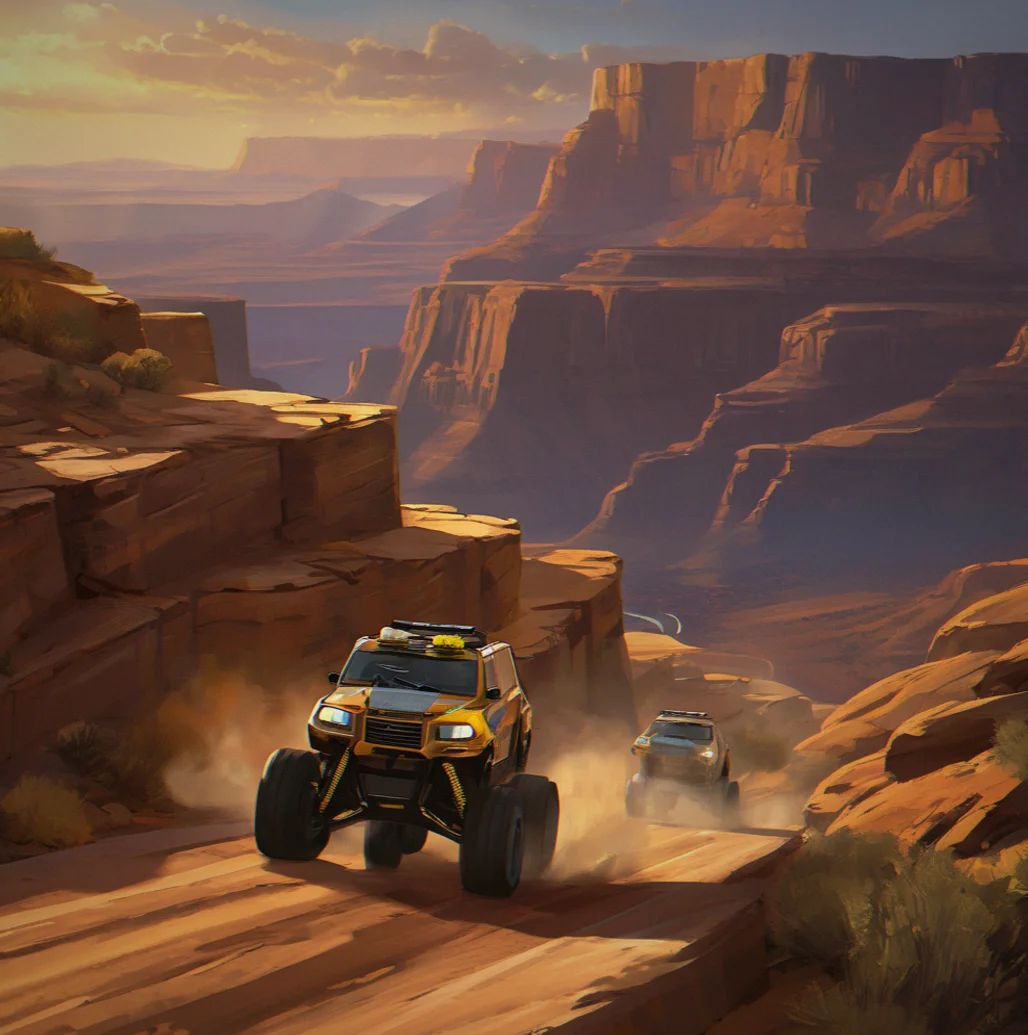
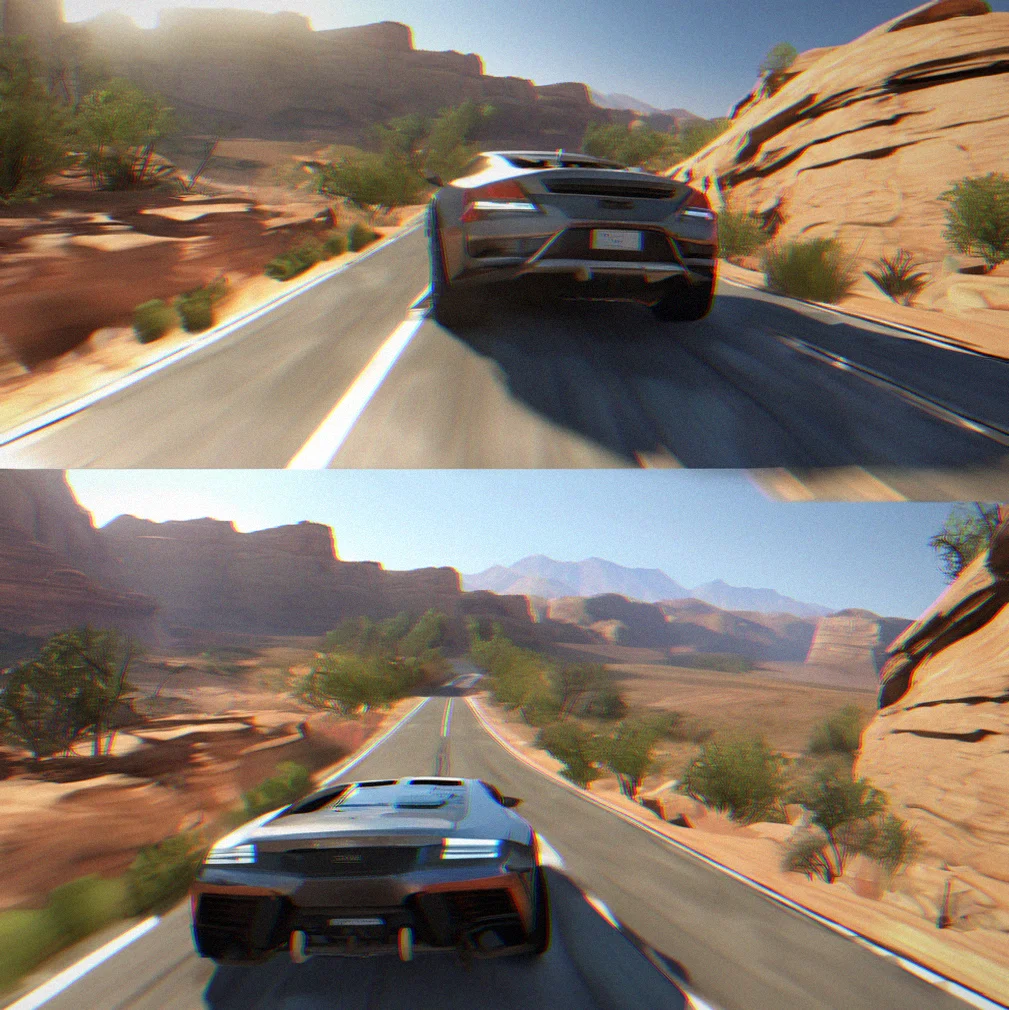
Ridge Sprint. Hits full speed in under 3 seconds. One mistake ends you.
There are a bunch of crystal caches tucked into every corner. River puzzles shift when the weather changes. Ancient ruins cut through canyons if you know where to look. Routes open up when you find them, not when you grind laps. Different vehicles handle completely different from each other. Weather actually changes how you drive the map. This is what you get when racing and exploration crash into each other at full speed.
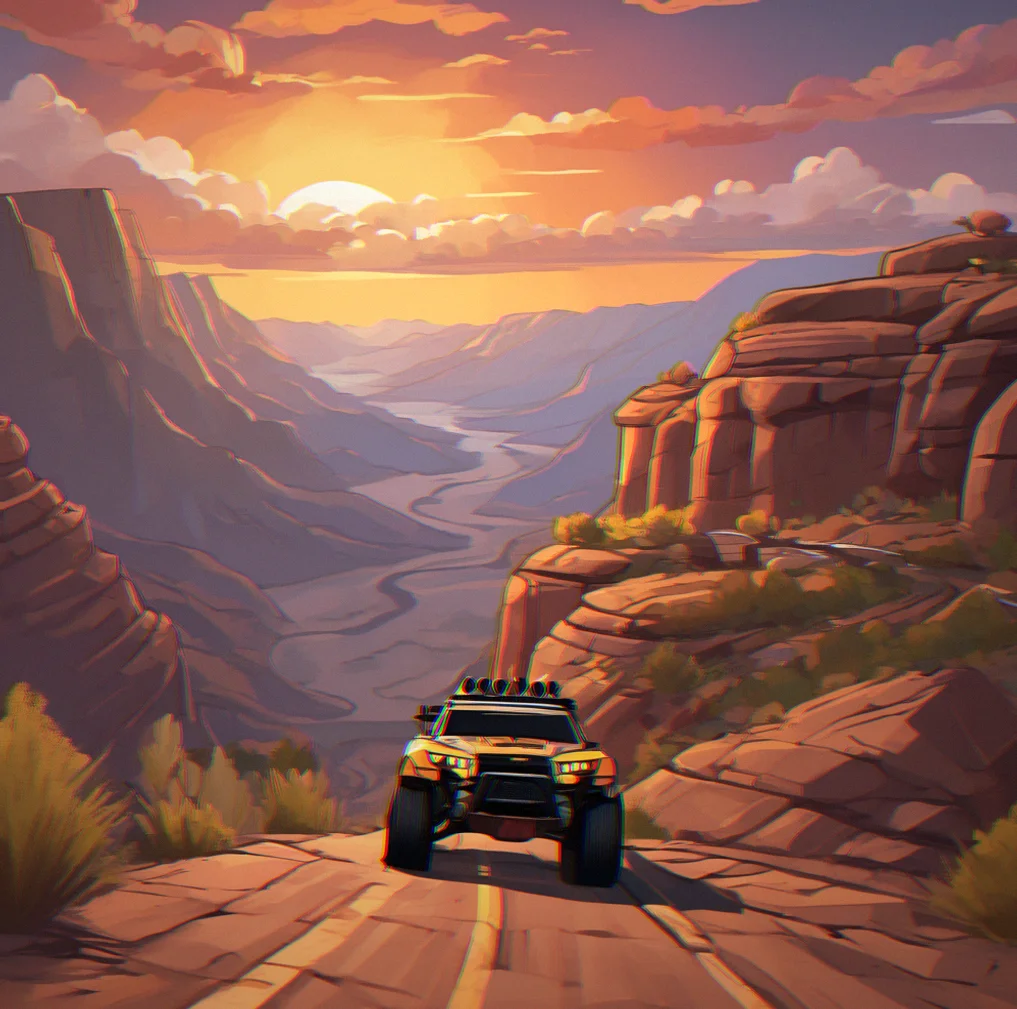
Vehicle mods, fuel upgrades, route markers scattered all over terrain you haven't been to yet. Finding one means you've got to figure out the terrain that's hiding it—climbing around it, dropping down, timing your move between weather shifts.
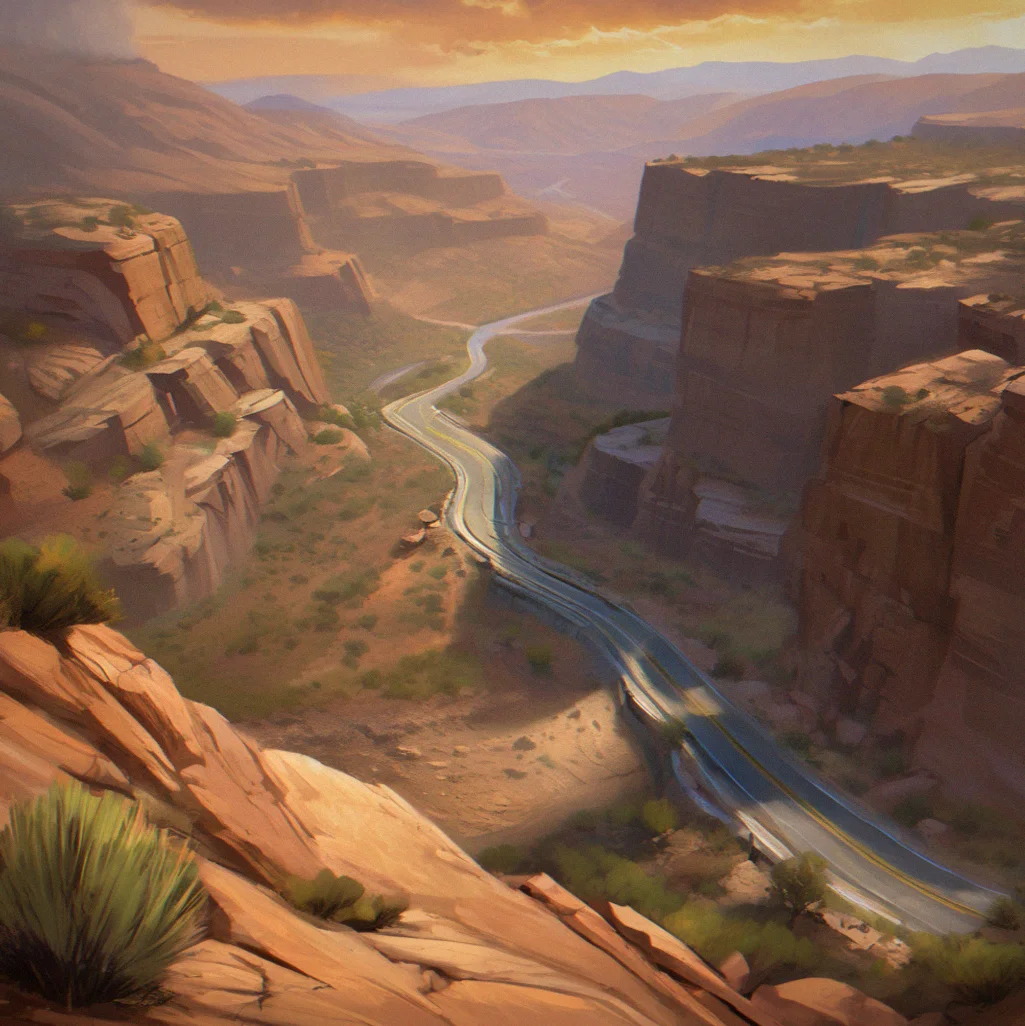
Rain kicks off mudslides that choke cliff passages for something like 8 to 12 minutes. Wind shoves lightweight vehicles off ridges. Snow locks the high passes until you grab heated upgrades. Weather isn't just window dressing here—it actually controls where you can go.
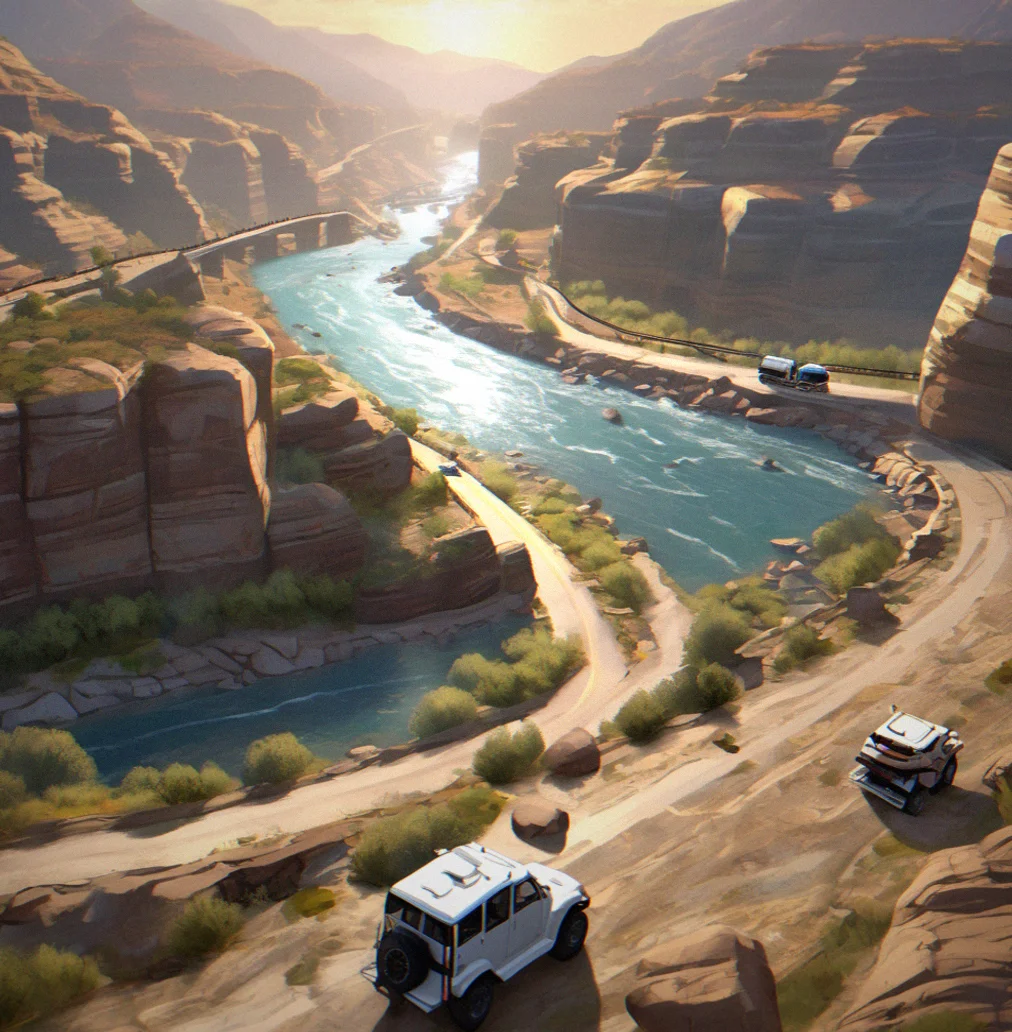
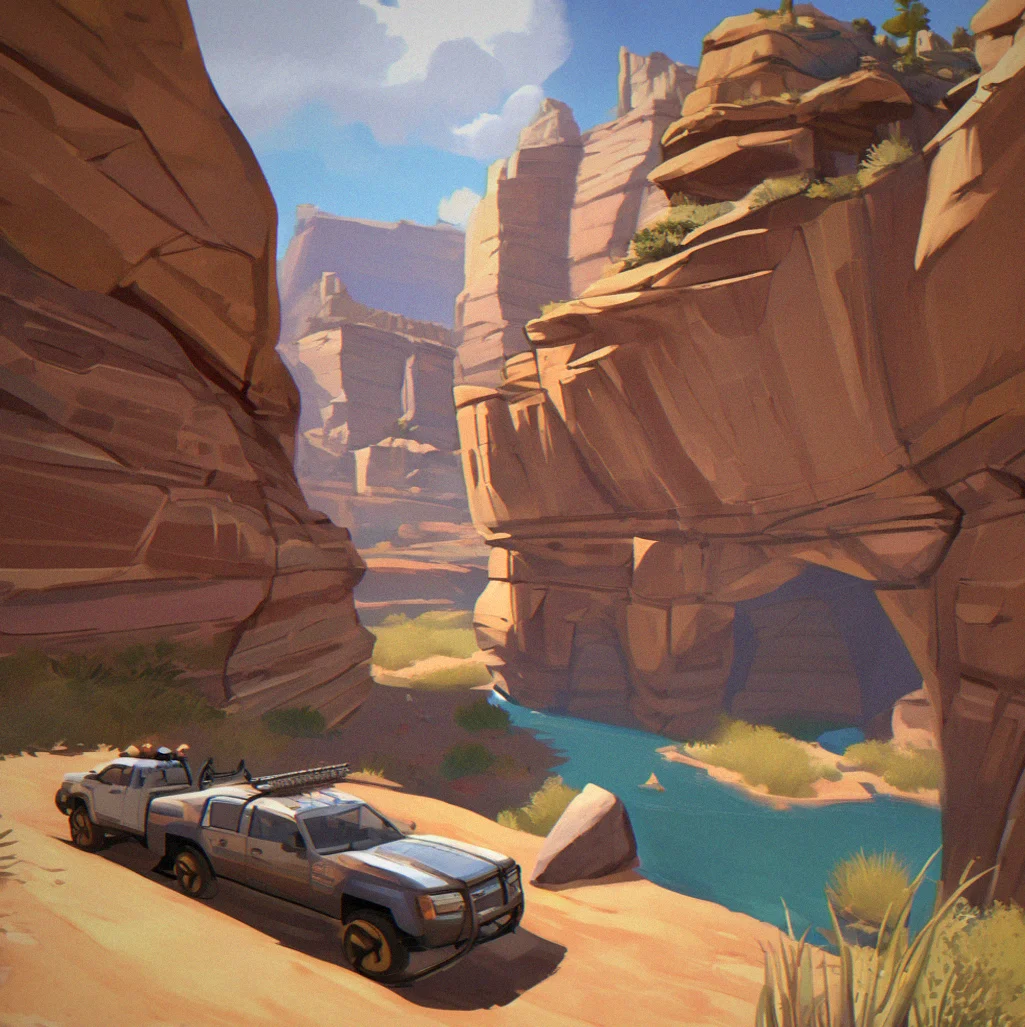
Currents shift depending on elevation and how much rain fell upstream. Go too fast and the water drags you downstream. Too slow and the banks start caving in. You stack rocks to create windows where crossing is possible. Position your vehicle right for weight distribution. Each river teaches you something different.
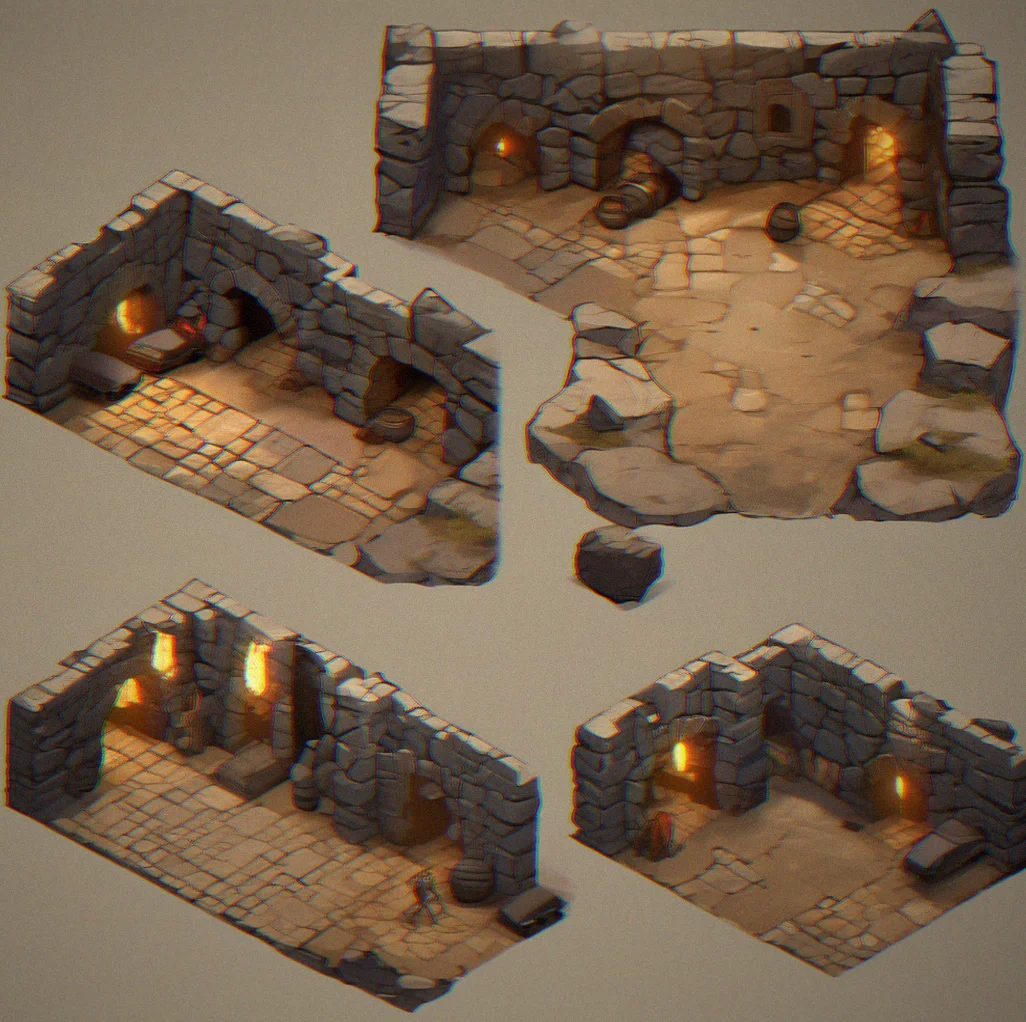
You find chambers with pressure plates, rotating stone mechanisms, three-exit layouts where only one actually leads somewhere useful. Solving them cuts 4 to 6 minutes off your next canyon run. The payoff hits immediately.
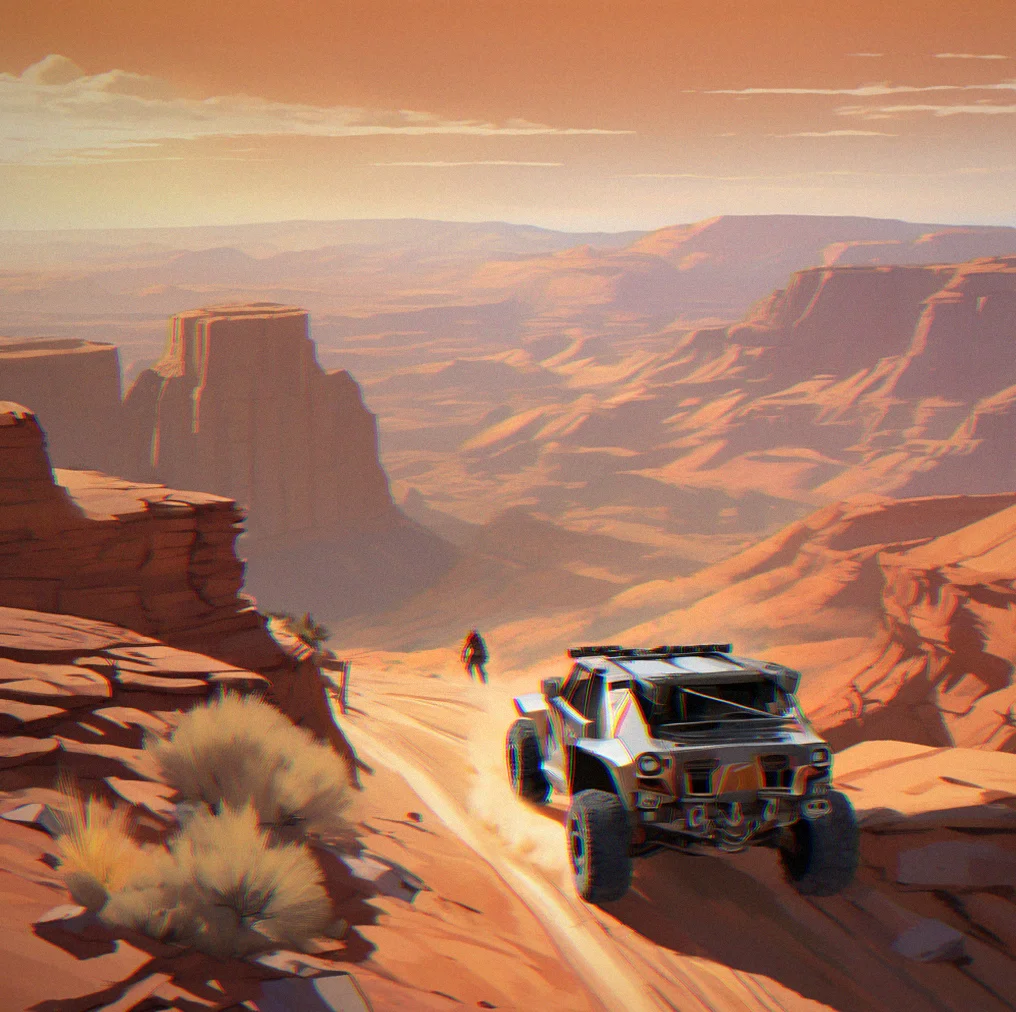
Gets to 60 in under 3 seconds. Falls apart in rivers but owns ridges. Built for speed and tight handling on narrow canyon routes. Steering is instant—no lag, no mercy. You feel every bump in the terrain through the wheel.
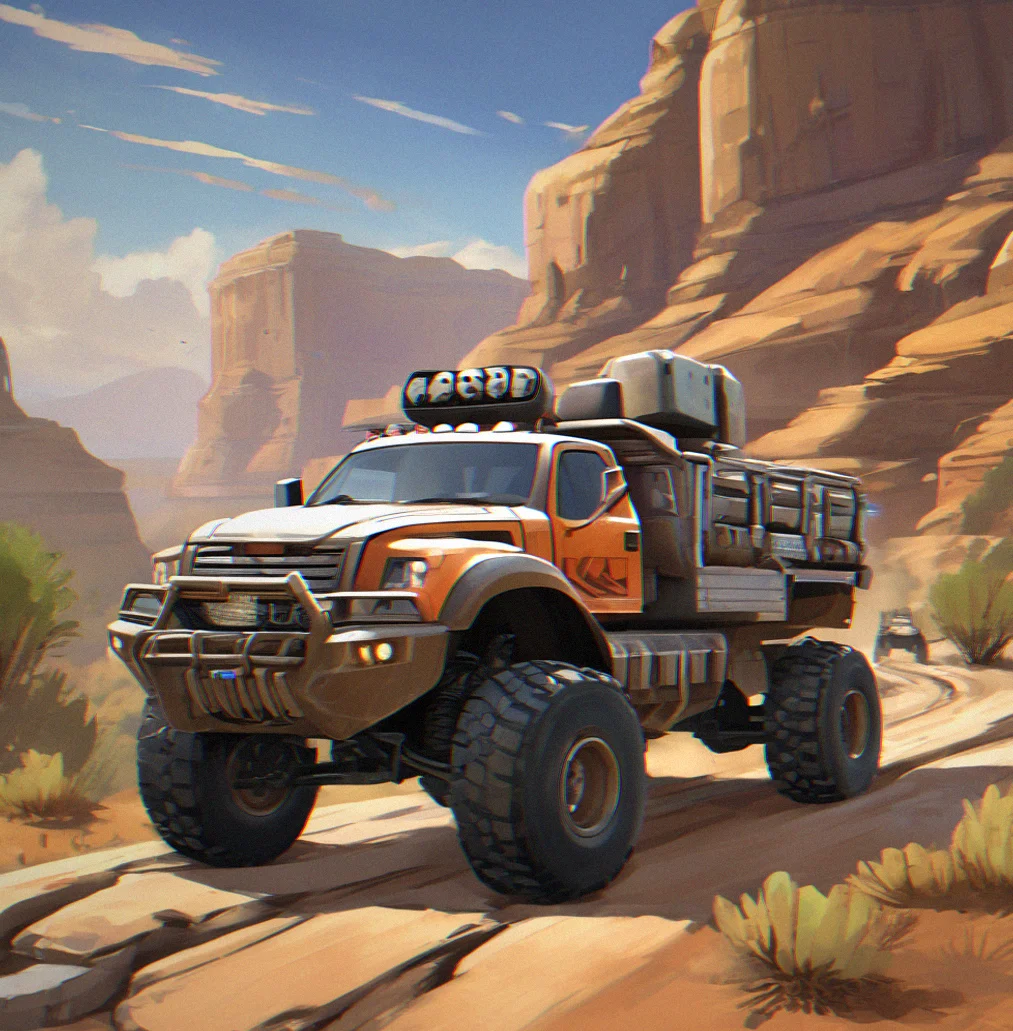
Takes almost 6 seconds to hit 60 but plows through obstacles like they're nothing. Stays planted in river crossings. Made for pushing boulders and activating pressure plate sequences in ruins. You sacrifice acceleration for raw weight—you plan your move before you go.
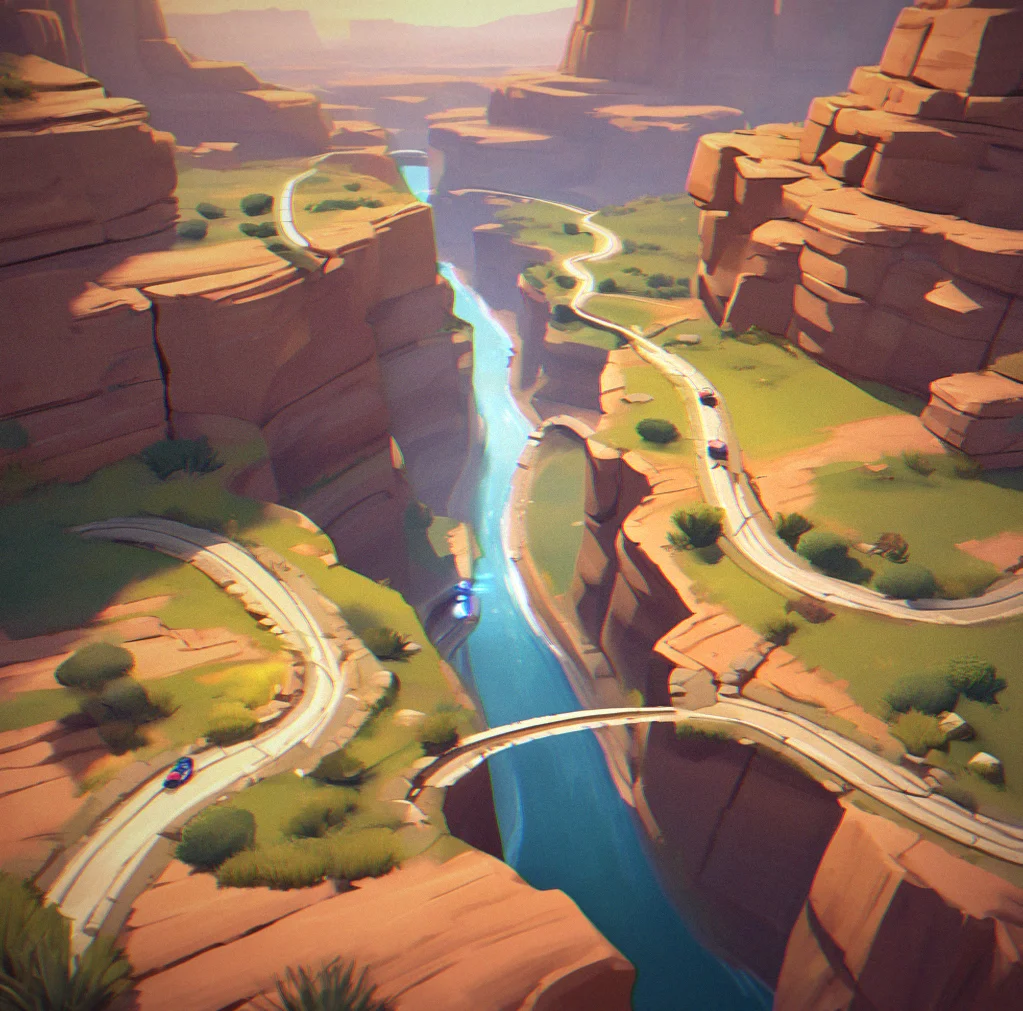
Find a hidden passage and a shortcut opens up. Beat a ruin and you get a new start point. Grab a cache and the mod you get changes how you can tackle the terrain. Everything flows from what you discover, not from some forced checklist.
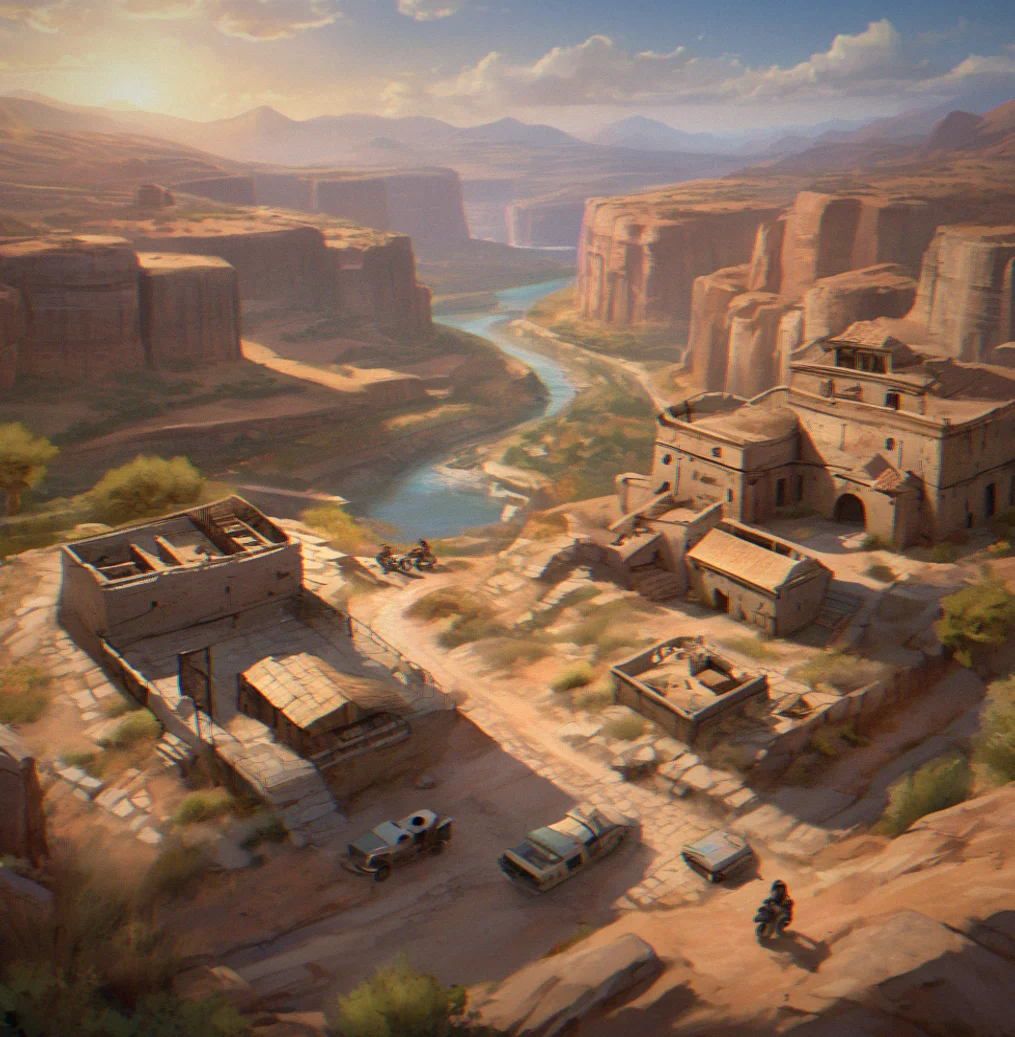
Ruined structures have elevated foundations built to handle floods—that tells you where water rises. Collapsed bridges show you which river sections you can't cross. Missing stone markers warn you about cliff edges. You're reading the valley like a player, not just passing through.
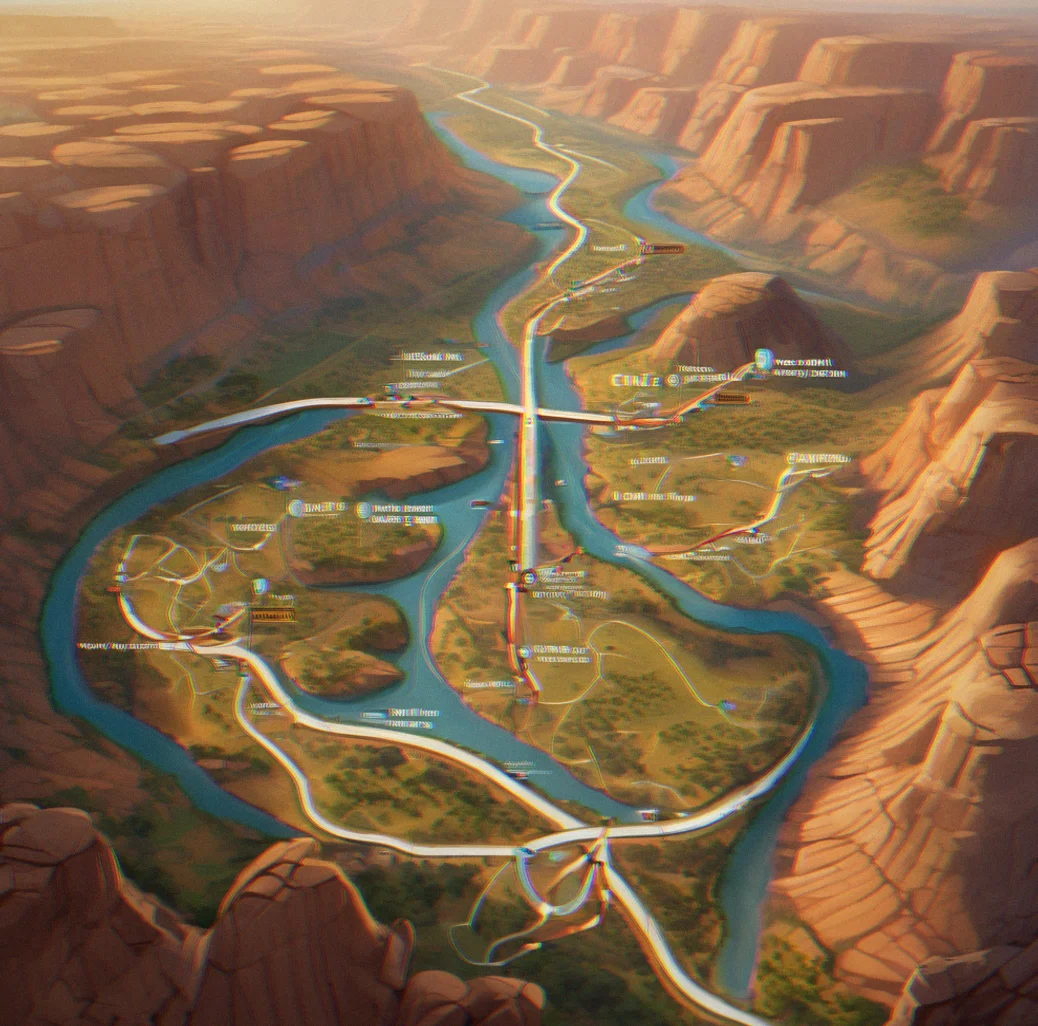
The main story takes somewhere between 12 and 18 hours. Hunt every crystal, explore every ruin, find every shortcut and you're looking at well over 30 hours. No filler. No busy work. The time comes from actually discovering things and how long that discovery takes.
Steering snaps to your input. You adjust your line mid-turn without thinking about it. Rivers follow actual water dynamics—current speed, how weight pushes against it, what angle you approach from, all that matters. Puzzles need spatial thinking. Raw speed matters less than understanding what the valley's telling you.
So what does a solid 12 to 18 hours of actually exploring look like? We pulled three different moments from different terrain types, different weather conditions, different ways of moving through it. This is basically where you'll be spending your time.
Ridge Sprint. Hits full speed in under 3 seconds. One mistake ends you.
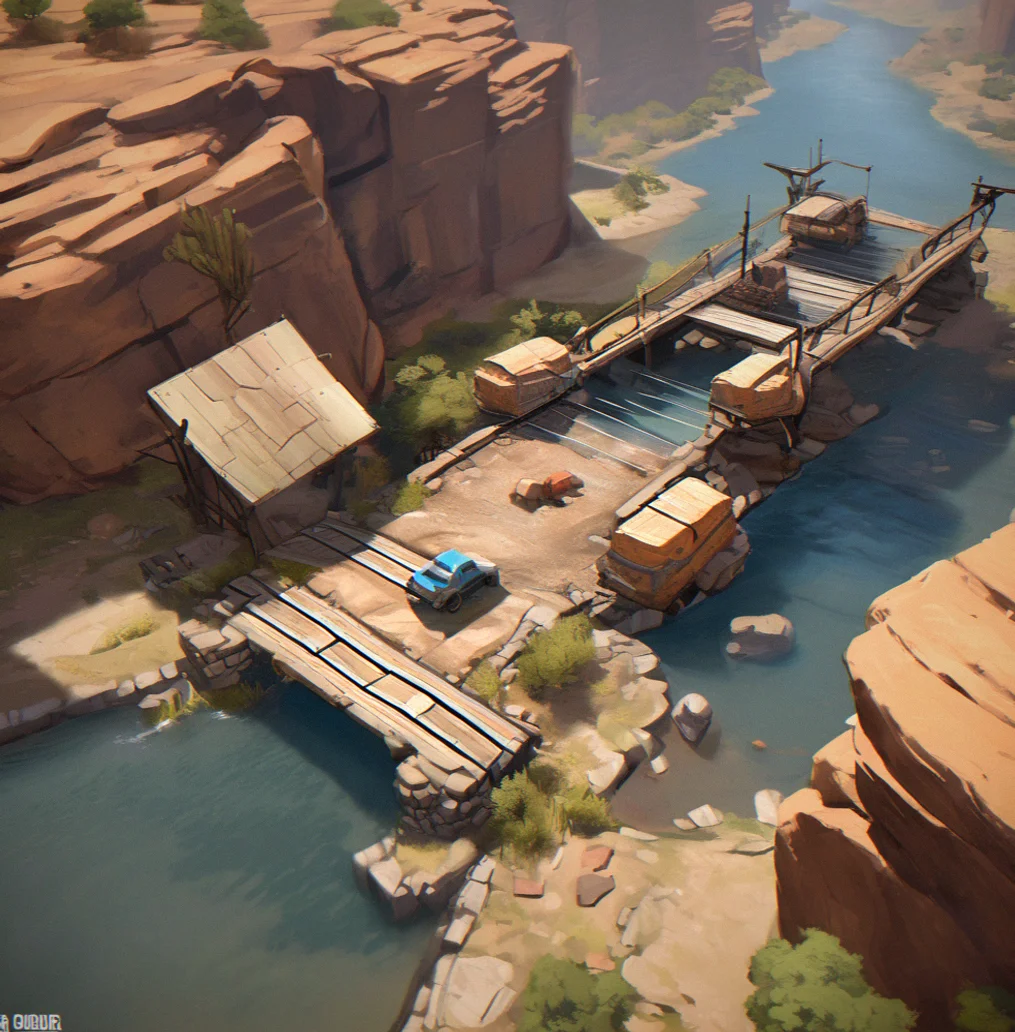
River Puzzle. Your vehicle's weight is the whhole game here. Physics wins.
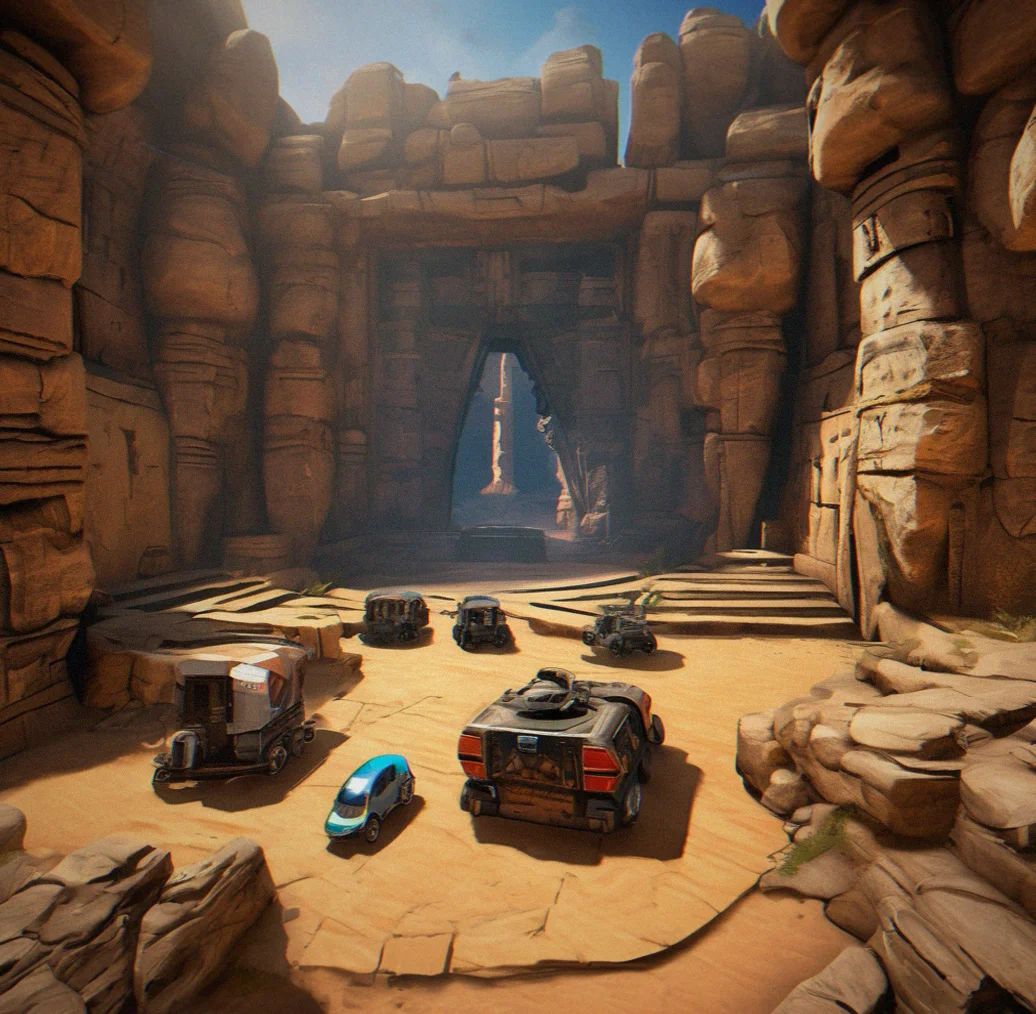
Ruin Chamber. Get this right and you've found the fast way through.
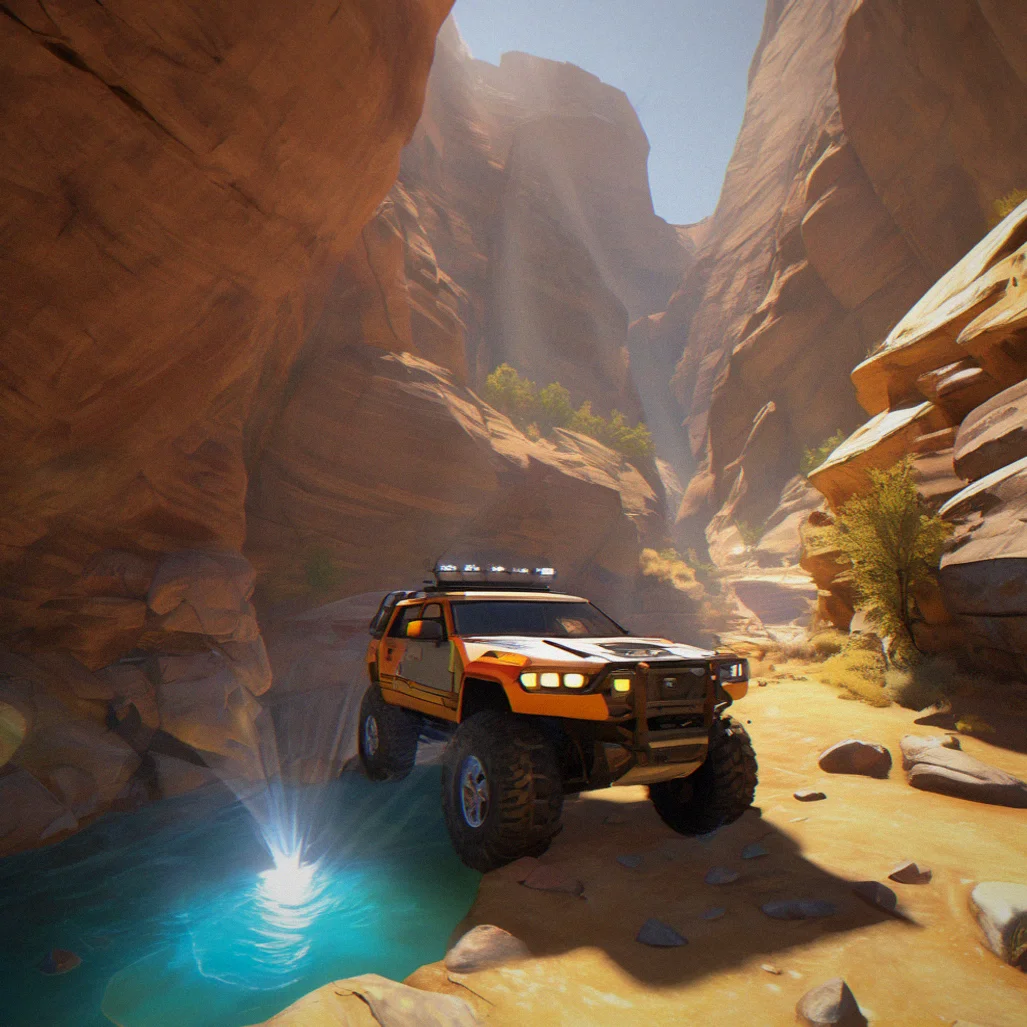
Vehicle mods, route markers, fuel upgrades—they're all out there in terrain you haven't gotten to yet. It's not like they're randomly placed though. Each one sits somewhere that actually teaches you something about how to navigate, how to read the valley. You just find them as you play.
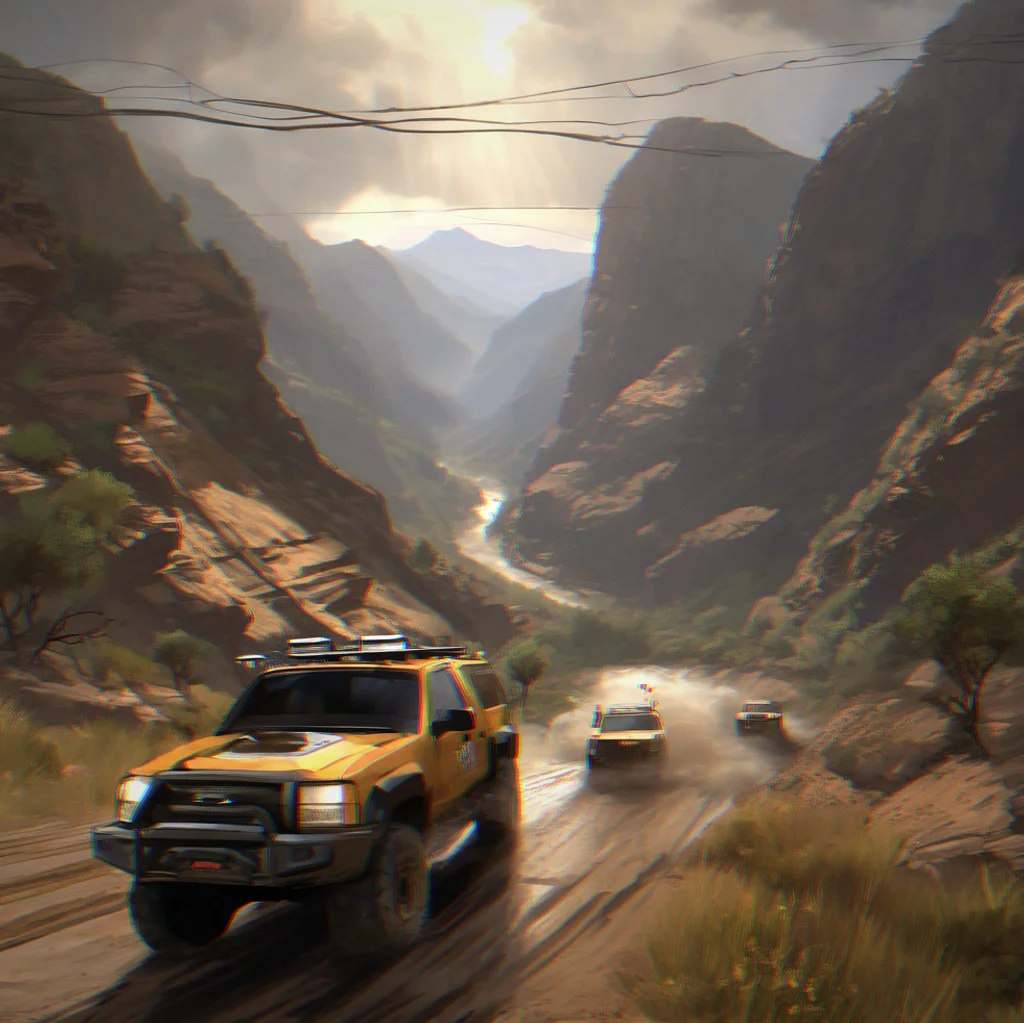
Rain comes through and suddenly you've got mudslides blocking your path. Wind picks up and it'll shove your vehicle right off a ridge if you're not careful. Snow closes off the mountain passes entirely. It's not just a visual thing either—the weather fundamentally shifts which routes are even available to you. You either adapt or you wait it out.
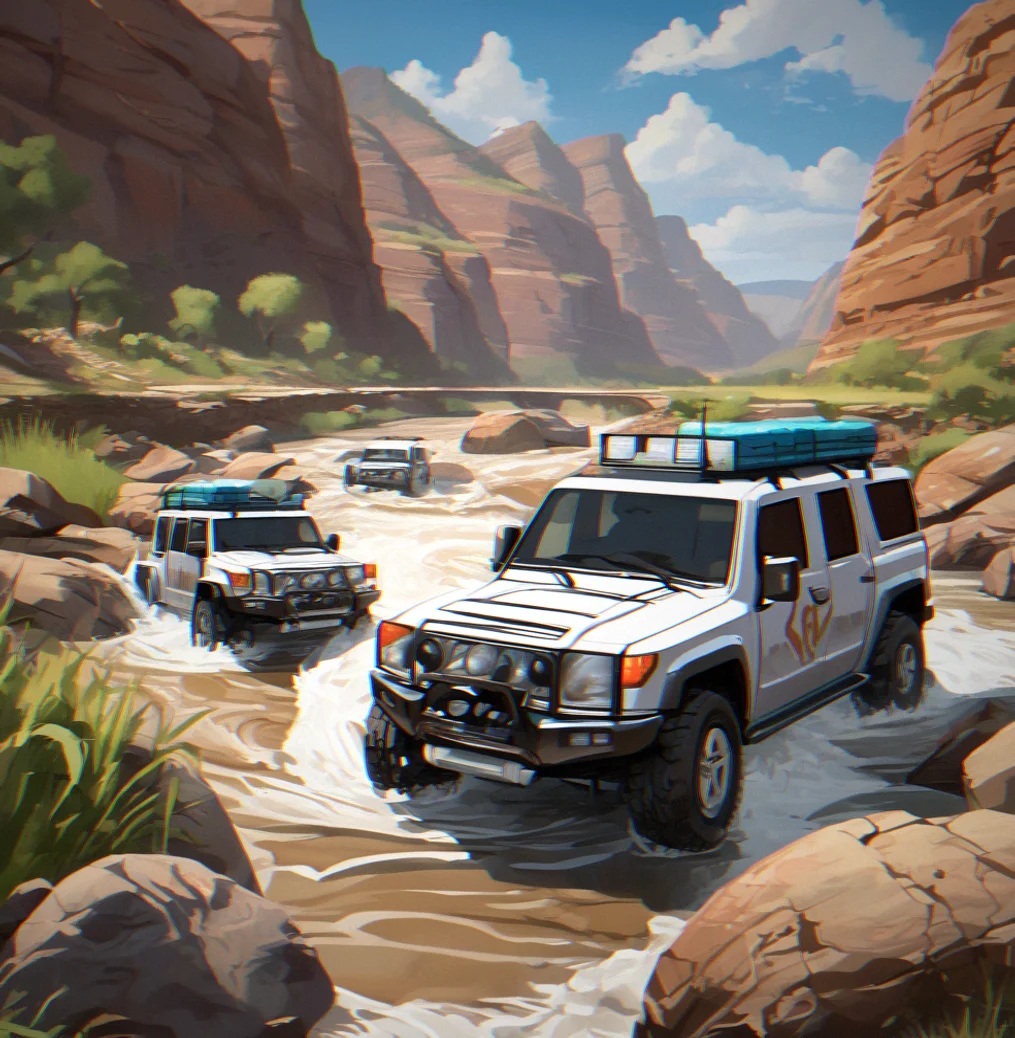
The current speed changes depending on how much rain fell and what the elevation is doing. You stack rocks, position your vehicel carefully, and wait for the right moment to cross. This isn't just driving through water—you're actually solving it. Getting across means understanding angles and how weight distributes.
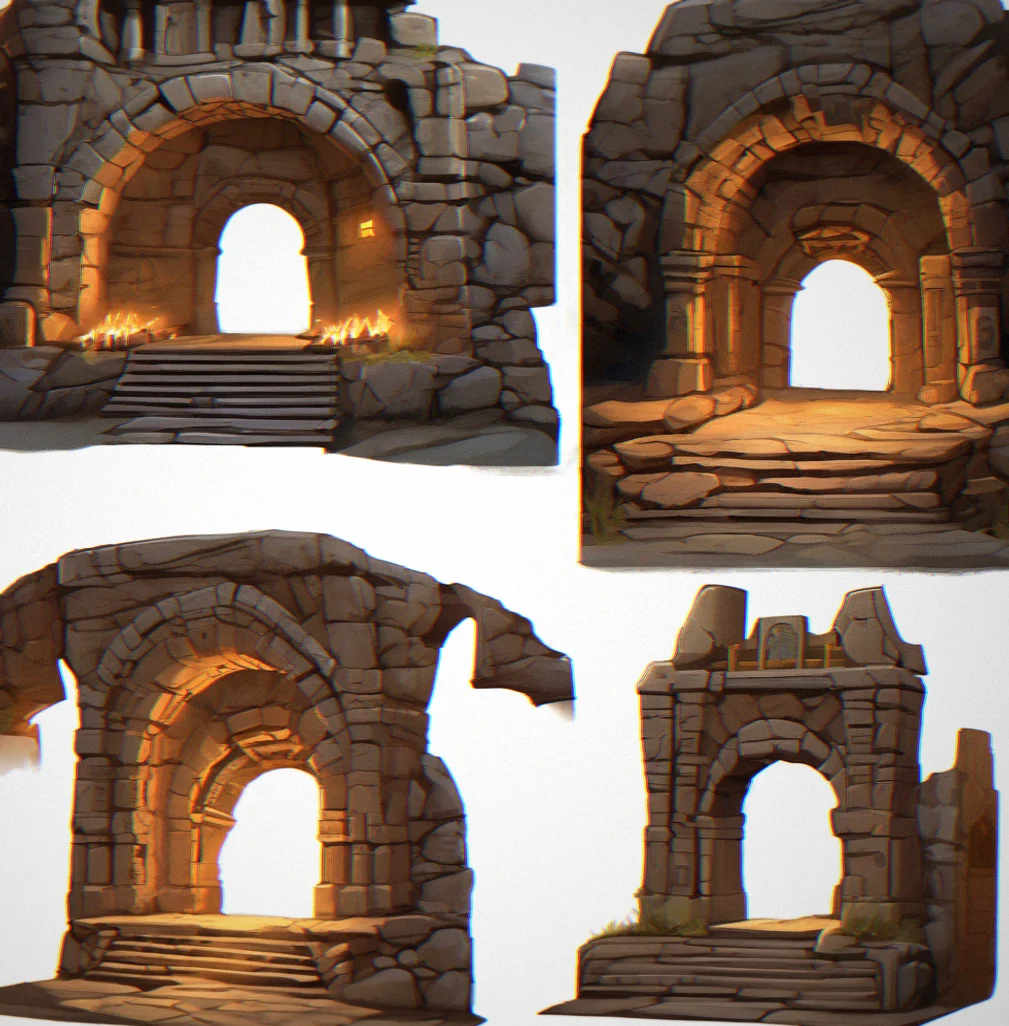
You'll stumble into old chambers with pressure plates and rotating stone mechanisms. Usually three ways out, but only one actually gets you somewhere worthwhile. Crack the puzzle and you unlock canyon passages that cut four to six minutes off your best time. The effort pays off.
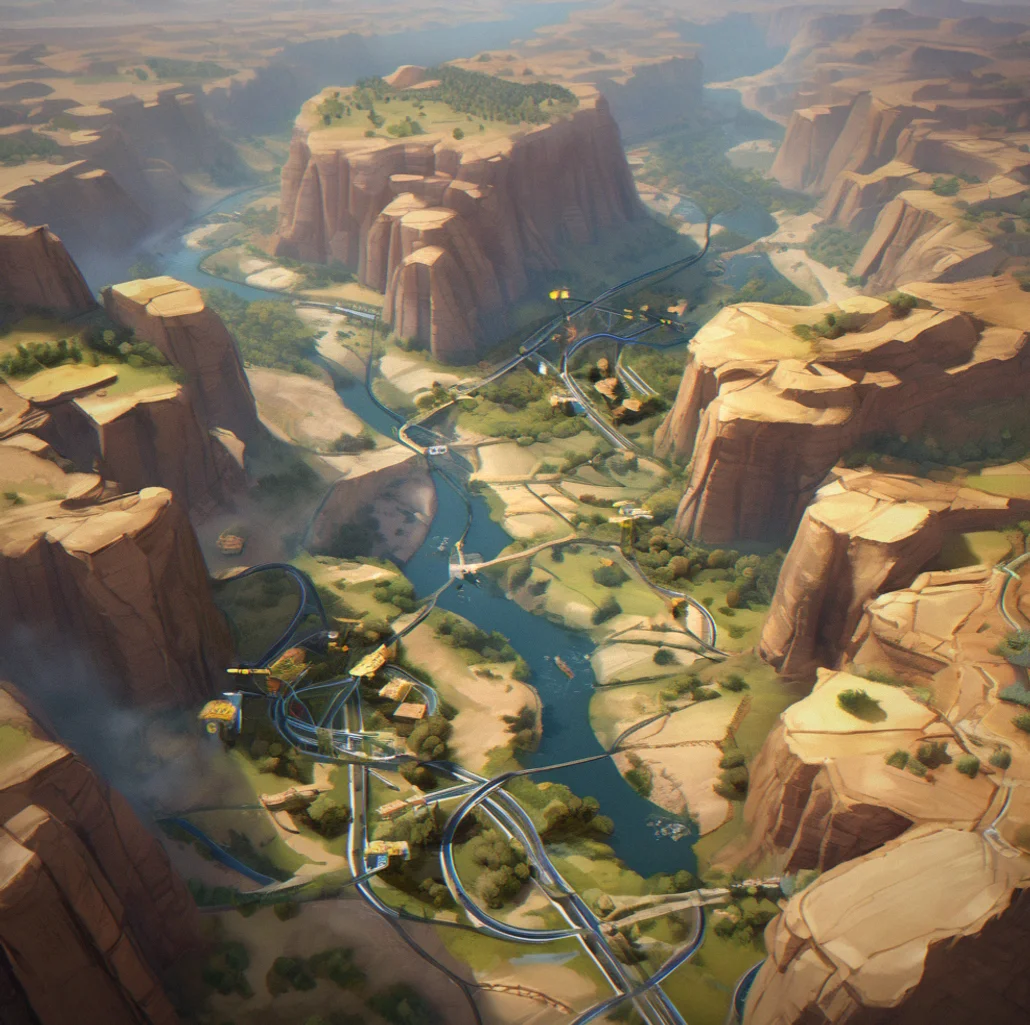
The main story gets you through in a dozen to eighteen hours. Push for full completion and you're looking at over thirty-five. Nothing's padded. No forced side quests cluttering things up. The time actually comes from exploring—hunting down caches, working through ruins, learning when weather windows open up.
Five moments that capture what really goes down when you're playing. You're managing Speed, reading the terrain, solving puzzles, adapting to weather. That's basically the whole game right there.
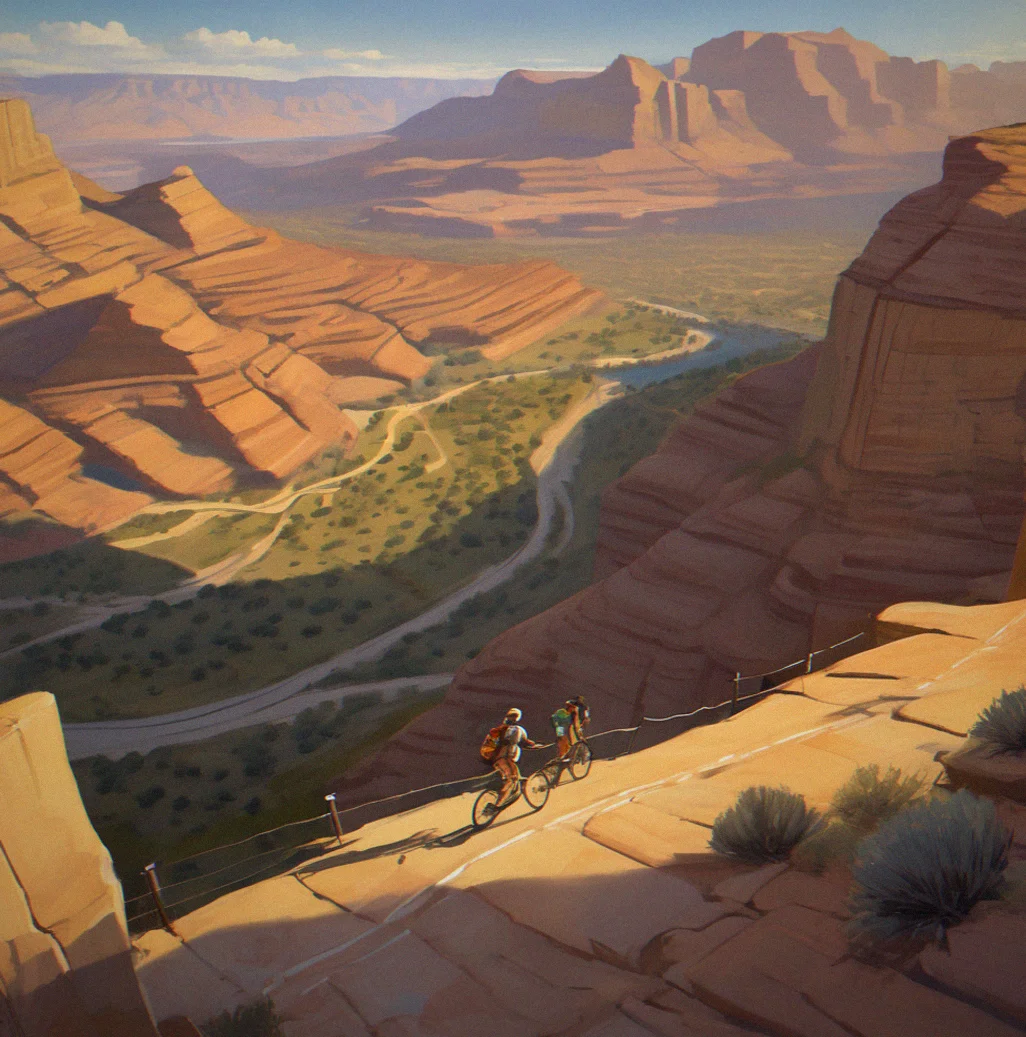
Ridge run. Hits 60 in under three seconds.
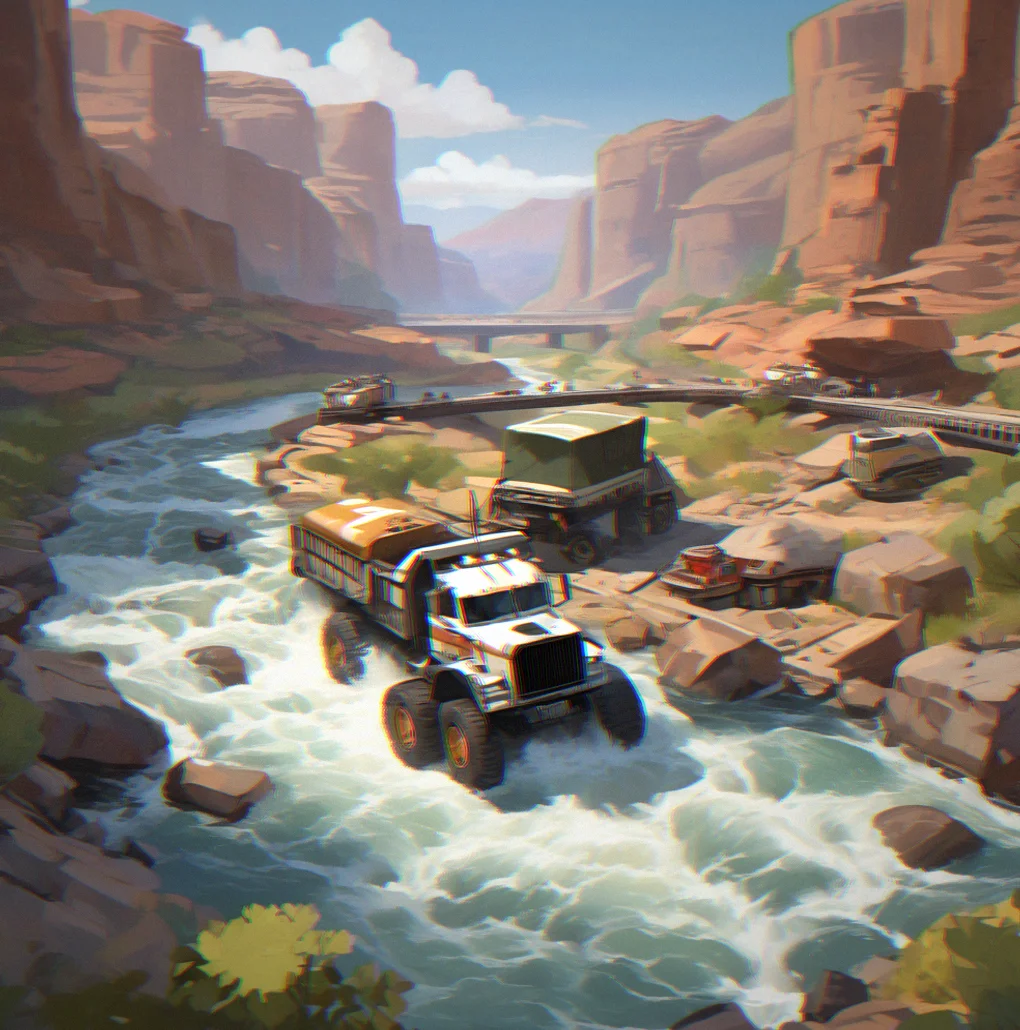
River crossing. Your vehicle weihgt actually changes how you move.
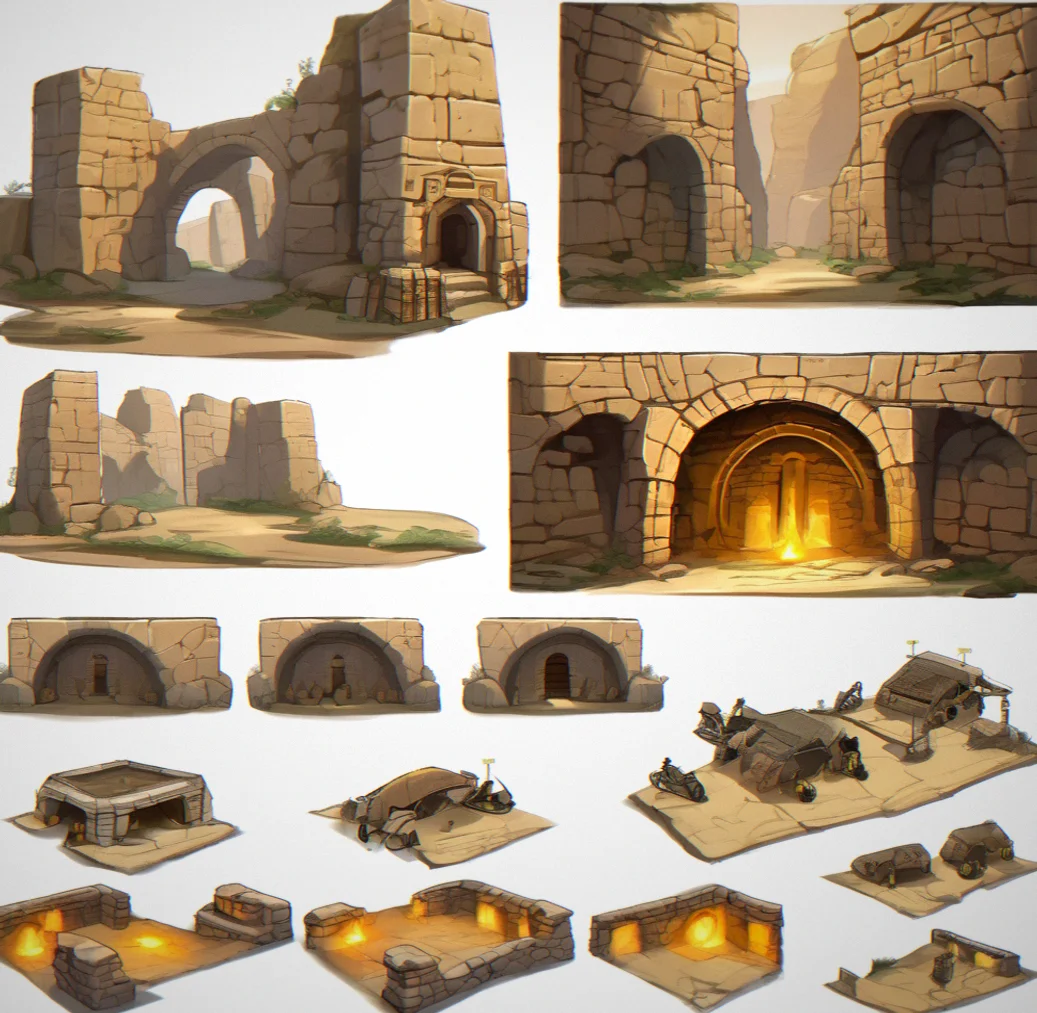
Ruin puzzle. Most people solve it in around three minutes.
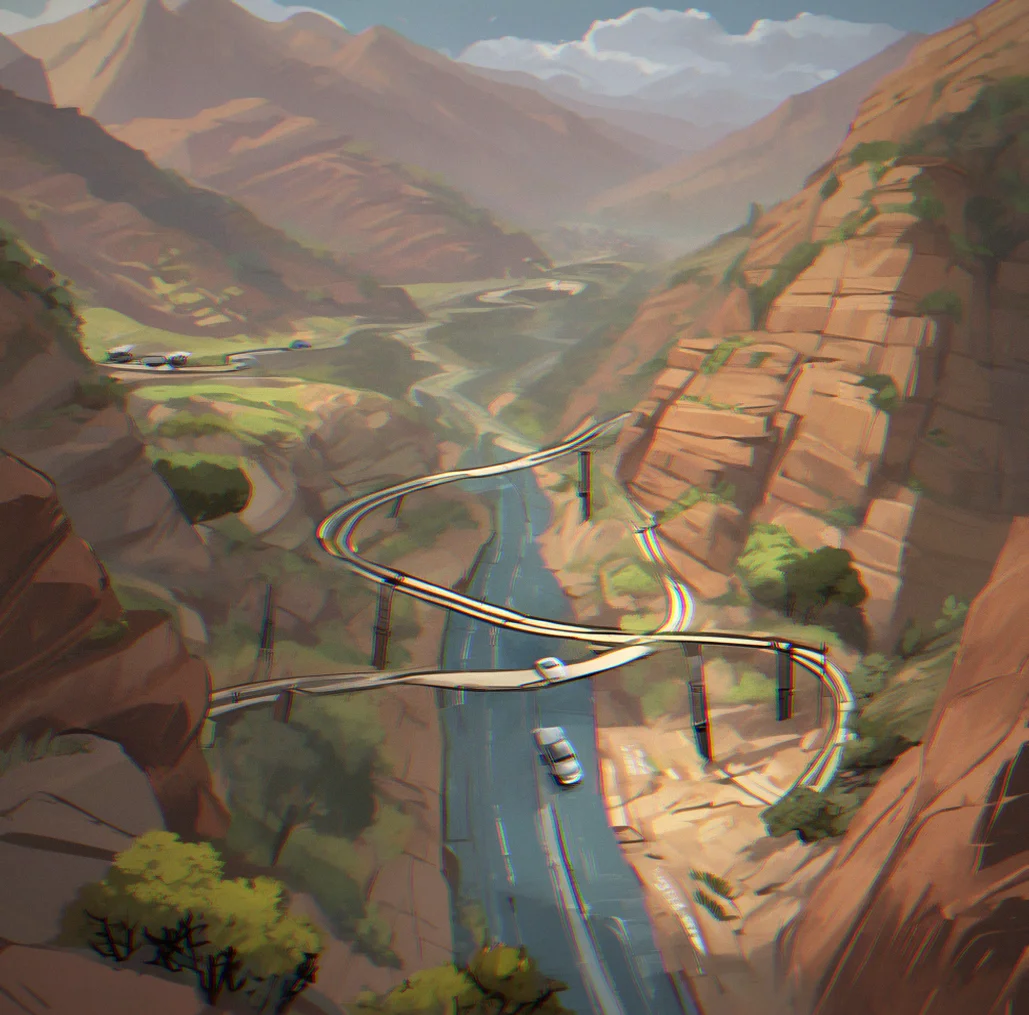
Weather hits. Route gets cut off. You need to find another way through.
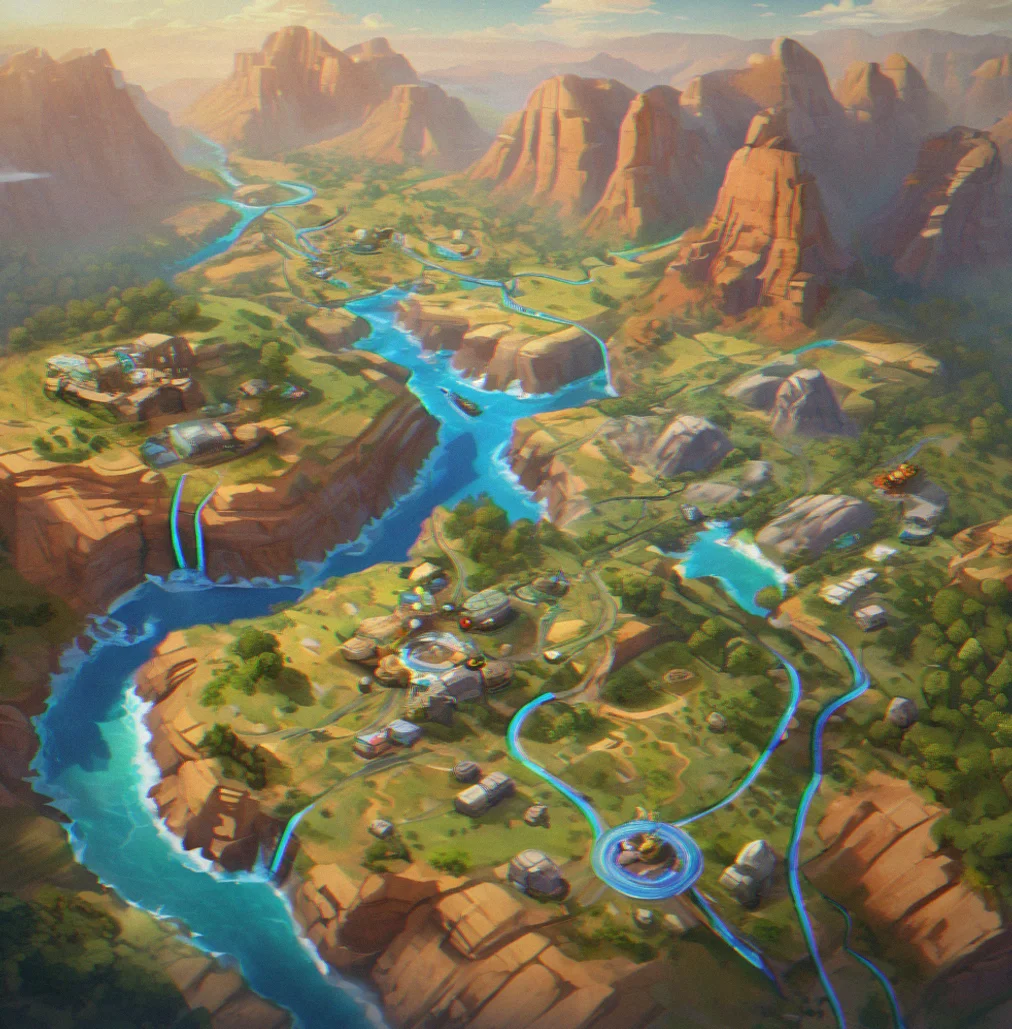
Full map view. Takes a while to see it all.
Questions
Stuff people actually want to know, straight answers about how things work and what the game expects from you. No fluff.
It's both, honestly. You race to find things, explore to unlock faster routes. There's no wall between them—speed feeds into discovery and discovery opens up new lines to race. If you're after pure lap-time grinding though, this probably isn't your thing.
You're looking at 12 to 18 hours for the main stuff. If you want to dig into every crystal cache, solve every ruin, unlock all the shortcuts, you're pushing closer to 35 hours or beyond. Nothing's padded. The time comes from what you actually find, not busywork.
Nope. The valley's open from the start. Any crystal cache, any ruin puzzle, any hidden route—you can go after it whenever you feel like it. What moves you forward is what you discover and solve, not some rigid sequence.
After about 20 minutes, hints kick in. You get nudged in the right direction but nothing's handed to you—you're still doing the actual solving. Rewind and try again as much as you need.
It locks you out. Rain causes mudslides that block cliff passages for 8 to 12 minutes. Wind pushes lighter vehicles off edges. Snow seals the high passes until you've got heated upgrades on your car. It's not just window dressing.
Yeah. New Game resets everything on the map and clears the puzzles you've solved but your cosmetics and vehicle mods stay with you. Good if you want to experience the discovery again without re-solving stuff you already know.
Nope, it's single-player. No leaderboards, no co-op, nothing competitive. The valley's just yours—you move through it on your own time, solve things when you're ready, race when you want to.
Found a bug? Have an idea for a feature? Curious about how the river mechanics work or stuck on a puzzle? Send it our way and we'll actually read it.